

Quercetin
Quercetin är en flavonoid och kraftig antioxidant, som finns naturligt i många färgstarka växter, till exempel lök och kapris. Den hör också till en grupp av växter som kallas fytoestrogener, som är växter som innehåller substanser som kemiskt liknar östrogen. Dessa fytoestrogener har då östrogenliknande effekt i kroppen och kan därför påverka kvinnor i och efter klimakteriet på ett positivt sätt och minska klimakteriebesvär.
- 01Quercetin ökar kollagenproduktionen och stärker fascias funktion och rörlighet
- 02Välj liposomal quercetin och låt det sitta under tungan för bättre upptag
- 03Kombinera quercetin med vitamin C — de förstärker varandras effekter
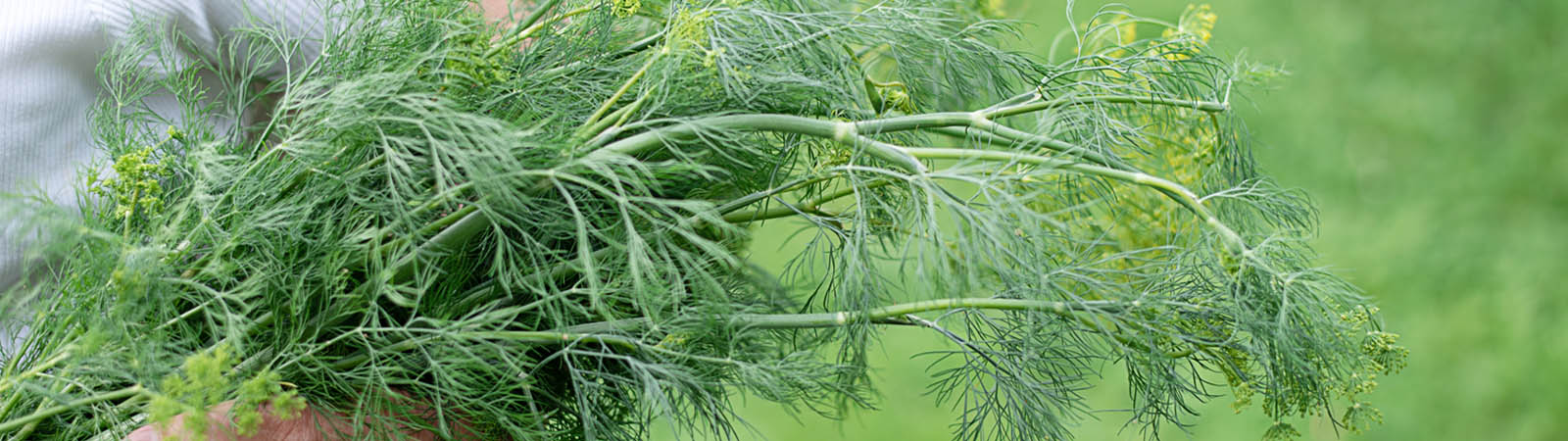
- 04Ät färgglada grönsaker som lök, kapris och dill för naturliga quercetinkällor
- 05Quercetin minskar inflammation i kroppen — relevant för fasciahälsa och rörlighet
Briefly about quercetin.
- Quercetin is a powerful antioxidant that helps strengthen the immune system and protect the body’s cells from premature aging.
- It can also improve collagen production and bone density, which can alleviate menopausal symptoms.
- Additionally, it has antiviral and anticancer properties.
Learn more about quercetin.
Quercetin is a flavonoid and powerful antioxidant, naturally found in many colorful plants such as onions and capers. It also belongs to a group of plants called phytoestrogens, which are plants that contain substances that chemically resemble estrogen. These phytoestrogens have estrogen-like effects in the body and can therefore positively affect women during and after menopause, reducing menopausal symptoms.
What is quercetin good for?
Quercetin is an antioxidant that has a great effect against free radicals and delays cell aging.
- It protects against oxidative stress, thus protecting cells from free radicals.
- Strengthens the body’s immune system and helps protect against viruses and bacteria.
- Helps transport zinc into cells, contributing to the immune system.
- Counteracts inflammation.
- Powerful antihistamine effect and therefore protects against allergies.
- Collaborates with vitamin C, enhancing each other’s effects.
- Reduces harmful cholesterol levels.
- Lowers high blood pressure.
- Protects against cardiovascular diseases, stroke, etc., by improving vessel elasticity, stimulating nitric oxide production, and thereby improving circulation in the tissue.
- Also positively affects the brain and nervous system, improving memory and overall mental health.
- Protects against cancer.
- Increases collagen and production of other components in the fascia, which provides better flow and a stronger and better functioning fascia.
- Its estrogen-like effect can help reduce menopausal symptoms such as incontinence and hot flashes.

What can a deficiency of quercetin mean?
The body does not produce quercetin on its own. We get it through colorful fruits and vegetables. There are no minimum intake levels for quercetin, and it is not something we have to consume. However, it has many health benefits, making it advantageous to consume quercetin daily to reduce oxidative stress, lower the risk of cardiovascular disease, increase general well-being, and live a long and healthy life.
How do we get quercetin?
Quercetin is naturally found in many colorful plants and berries, such as onions, cocoa, buckwheat, capers, and dill.
It can be difficult to consume larger amounts of quercetin through natural sources, which is why a supplement can provide significant health benefits, especially for older individuals and women around and after menopause. However, in capsule form, it normally has poor bioavailability, so it is recommended to choose liposomal quercetin and let it sit under the tongue for a while to increase absorption through the mucous membrane. Liposomal means that quercetin is transported with the help of small fat droplets, liposomes, which provide more efficient uptake.
- *Av Camilla Ranje Nordin, Lärare i Fasciakunskap & Fasciabehandling*
- Quercetin is a powerful antioxidant that helps strengthen the immune system and protect the body’s cells from premature aging.
- How to Structure Your Own Water
What is structured water, and how can you make it yourself? This article covers simple methods like sunlight, sound, vortices, and saline solution for structuring water at home.
- ArticleNutrition for the Cells
Iron is a vital mineral, a so-called micromineral, a trace element, that we need in small micro-amounts to be healthy. Too high an intake of iron, however, becomes toxic to the bo…
- ArticleThe Body's Iron Balance
Iron is a vital mineral, a so-called micromineral or trace element, which we need in small amounts to stay healthy. Too high an intake of iron, however, is toxic to the body.
- Ep. 00707. What is flow?
Fascia as a flow is a new way of understanding the body and explaining the body’s function. All that lives has a flow. Each living cell or organism has a flow of water, energies,…
- Ep. 00404. Why is Fascia not mainstream?
Fascia research has sparked a wildfire of new insights that are challenging conventional belief about how the living body works. In the last 15-20 years thousands of high quality…