


Fascia Expert: “An explosion of new research in the last 10 years”
In 2015 veterinary Vibeke S Elbrønd published the first report on Fascia and horses. To make that happen she had to learn all there was regarding fascia, she had to become a fascia expert.
- 01Fascia connects and underlies every structure in the body — not just muscles, bones, and tendons
- 02A close interaction between fascia and the nervous system has now been confirmed by research
- 03New fascia knowledge builds on existing anatomy — don't discard old frameworks, expand them
- 04Validating fascia-based treatments is the field's biggest current clinical challenge
- 05Approach fascia diagnosis as an additional factor that may override previously dominant ones
In 2015 veterinary Vibeke S Elbrønd published the first report on Fascia and horses. To make that happen she had to learn all there was regarding fascia, she had to become a fascia expert.
When meeting her in Copenhagen in February we asked this expert: What has happened in the last 10 years of anatomical research. The answer became this animation.
Fascia is a new way of thinking
A lot has happened during the last ten years. Most of it is actually in human research. It has opening up ways of thinking, a new way of thinking.
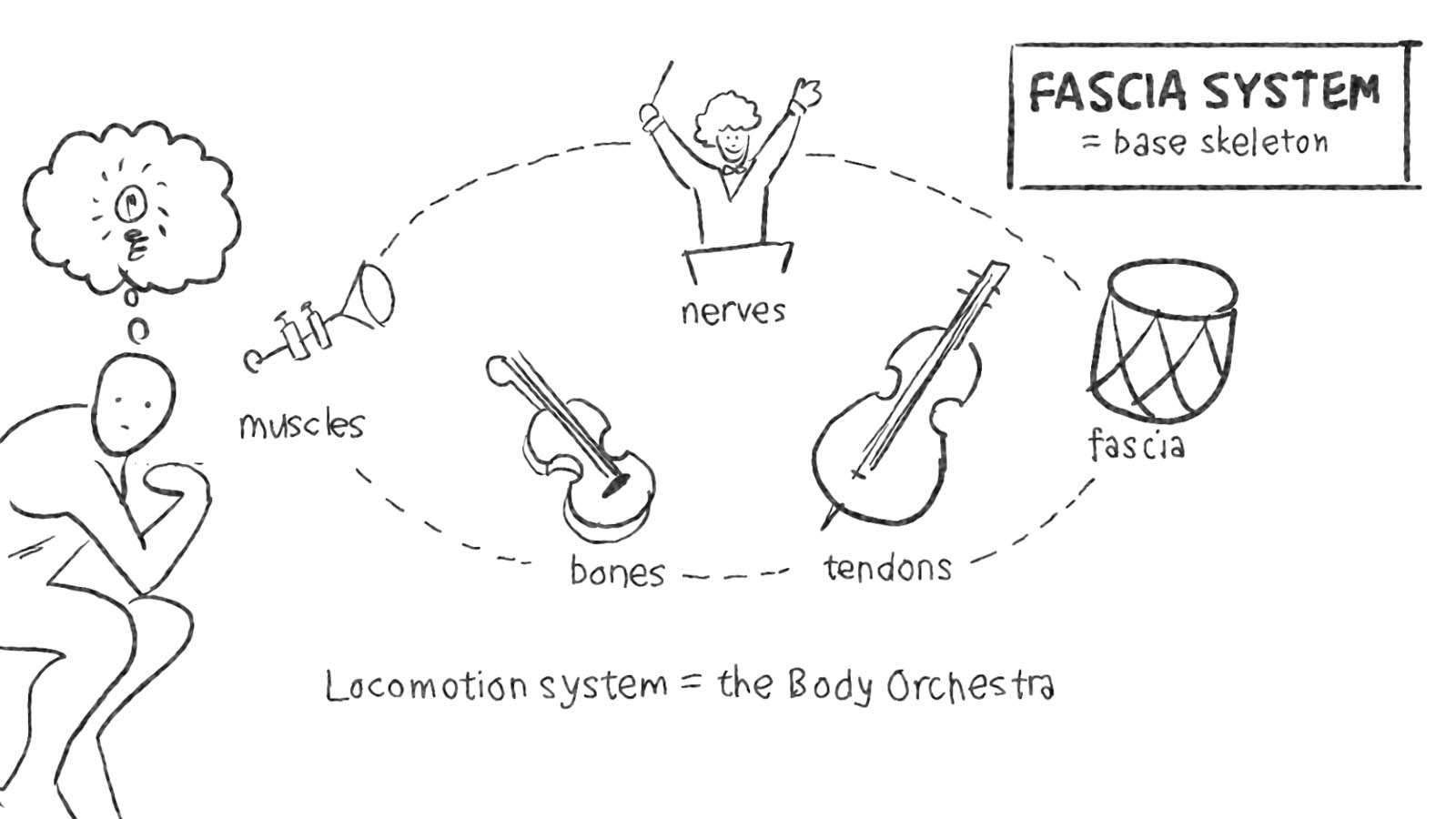
We have been very focused on how the locomotion system is related to the functions of muscles, functions of bones, functions of tendons, however we tend to forget that it is the fascia system that is connecting everything and that it is the fascia system which is the base skeleton of everything; and of the whole body.
All the other things are just put into it. So it is a new paradigm which is opening up a new way of thinking. Also since a very close interaction with the nervous system has been found.
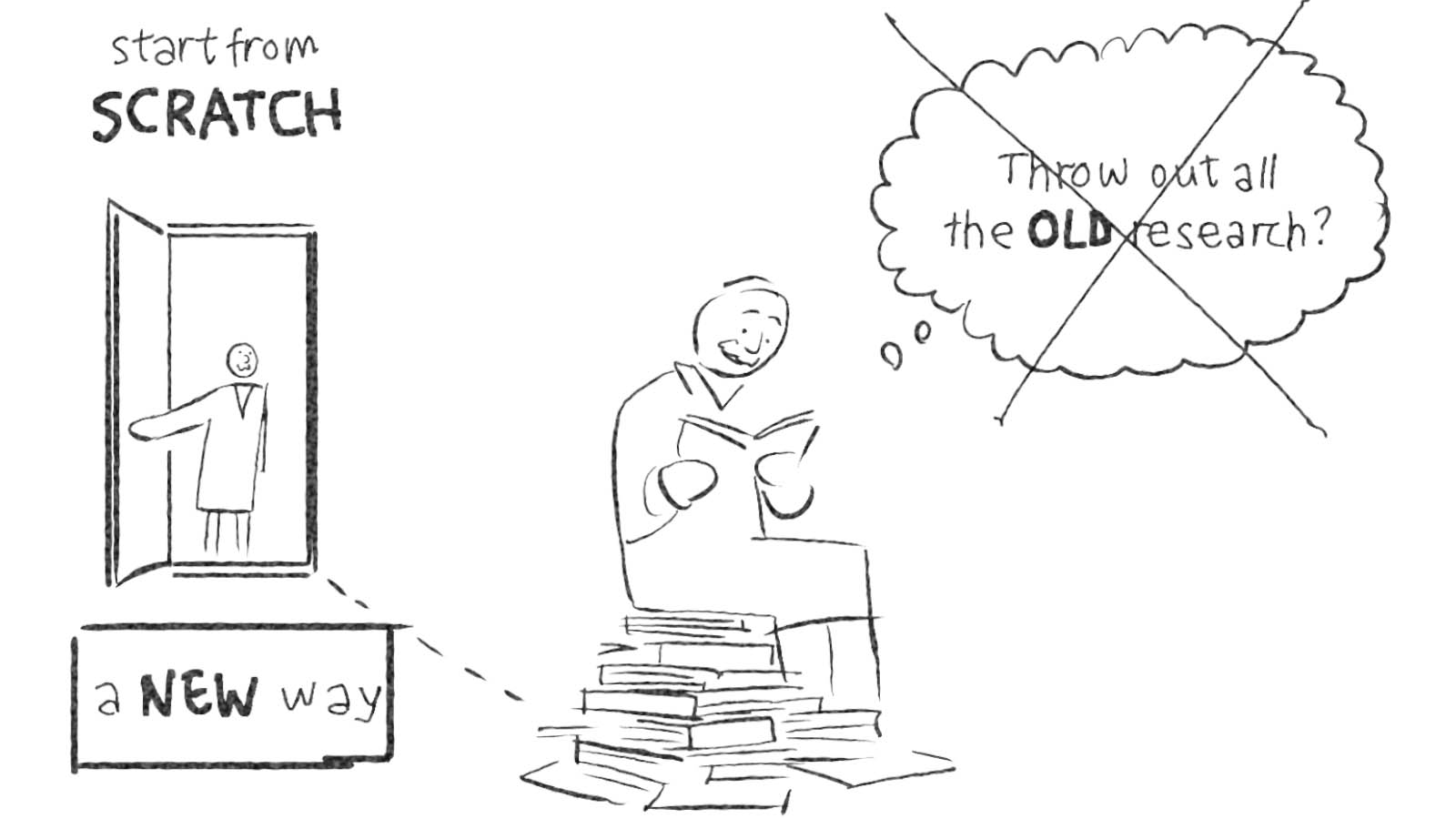
Part of the skepticism is also that people can see that they have to think in a new way. They have to approach the diagnosis they make and include another factor which might be over-ruling all the other factors that we have focused on before. Therefore people have to start from scratch when doing this.
But it does not mean that they have to throw out all the old knowledge because this is something on top of it. This is the knowledge that will combine the things they already know and make it much more three-dimensional and go much more in-depth than they have done before.
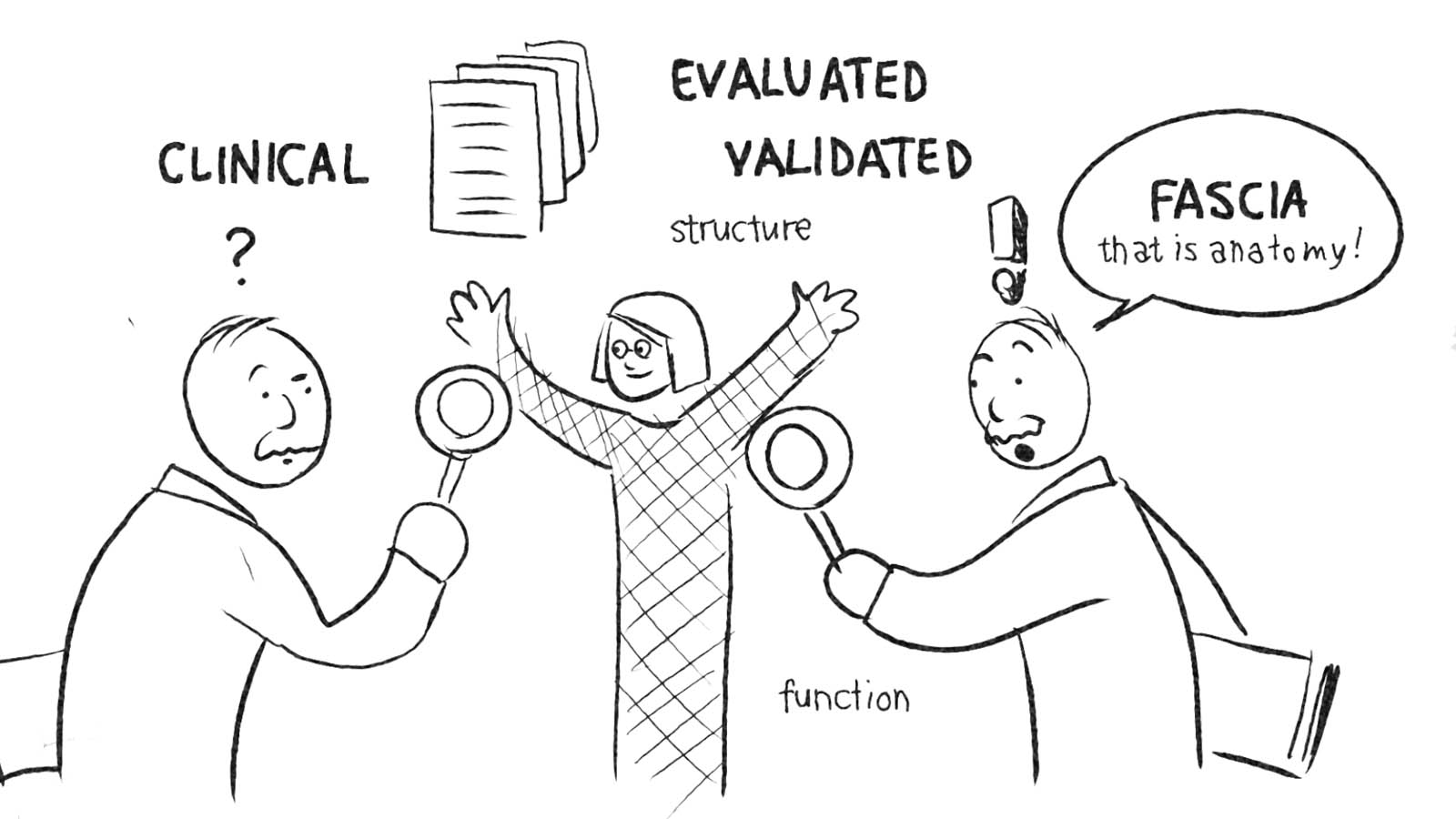
Under current conditions, we can easily show that parts in the body are connected, but it is difficult in a three-dimensional system to show that if you are doing a certain thing, then this and this happen. You have a three-dimensional system that is working all over the body, it is interacting in conjunction all way around. So this is the clinical part of it that has to be evaluated and validated so that you can see that the treatment is working. Because the structure and function and architecture of the fascia that is pure anatomy, and there is no hocus pocus about that.
We have to approach the phenomenon in an entirely different way. That is a huge challenge because we need to sit down and get into this from the ground-up to understand what is going on.
When meeting her in Copenhagen in February we asked this expert: What has happened in the last 10 years of anatomical research.
- Fascia in Horses – Danish veterinary exploring uncharted territory
In 2015 veterinary Vibeke S Elbrønd published the first report on Fascia and horses. Through autopsy she found that the horse has the same kind of chains and networks of connectiv…
- ArticleFascia: New research changes the way we look at pain
From Newton, to Einstein, to the new wildfire of Fascia Research. How do we understand things from a different perspective?
- ArticleInflammation in Fascia causes pain – new discoveries presented in Stockholm
Dr Heike Jäger, Professor Karl Arfors and innovator Hans Bohlin presented the latest research regarding Fascia, inflammation and Fascia treatment in Stockholm, May 2017.
- Ep. 00101. Why Fascia?
The first episode of the English podcast “The Fascia Guide”. The Fascia Guide is a podcast about the living body, about new research and a new perspective on health, pain and what…
- Ep. 00606. Why is it so hard for Fascia to become mainstream?
What happens when you discover something that makes you rethink everything you knew? Fascia research forces as to look at the whole and not just the parts, and in some ways we nee…