

Biotensegrity: How did the dinosaurs handle the pressure of gravity?
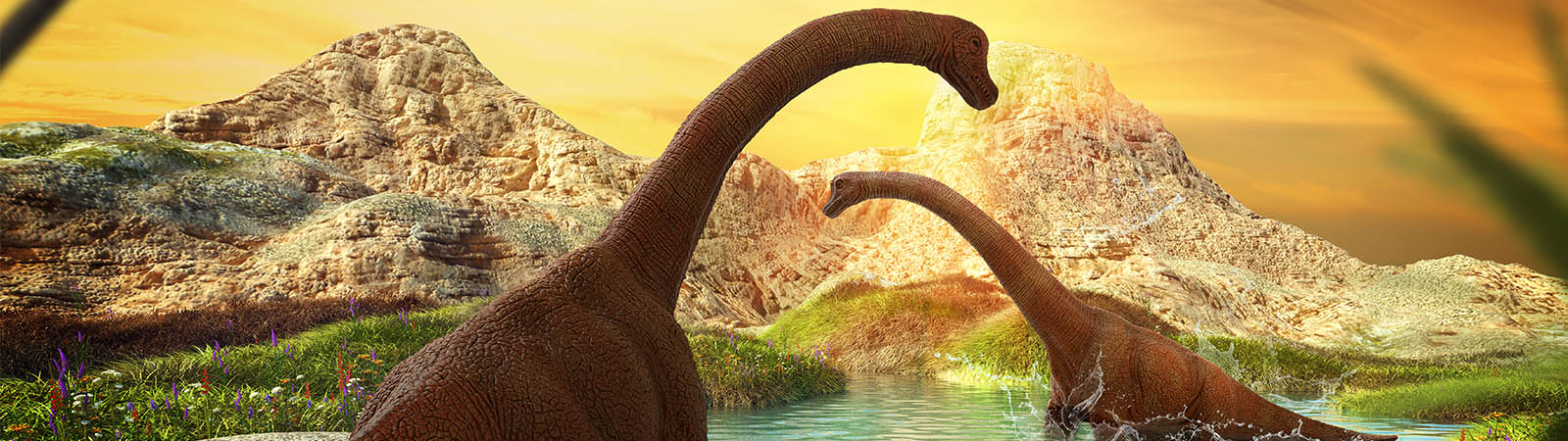
In the 70s when the orthopedic surgeon Dr. Stephen Levin was at a natural history museum and saw the wires holding up the neck of a dinosaur, he did not get the picture to go together. How could his neck have been held up originally?
- 01Bones don't bear load alone — fascia and collagen share force across the whole body
- 02Strain from any movement distributes through the entire fascial network, not just the local area
- 03Think of your skeleton as floating in fascia, not hanging from it
- 04Tight or crooked soft tissue pulls the skeleton out of alignment — address the fascia, not just the bone
- 05Restore fascial balance to let the skeleton move freely within its tensegrity structure
In the seventies, orthopedic surgeon Dr. Stephen Levin was visiting the Natural History Museum, watching the dinosaurs.
When looking at the Brachiosaurus he saw a lot of wires holding up the long neck.
Then he suddenly realized that this biological structure is impossible according to the current idea of bones and muscles working in a lever system.
The traditional theory of biological structuring was flawed – and Dr. Levin was intrigued!
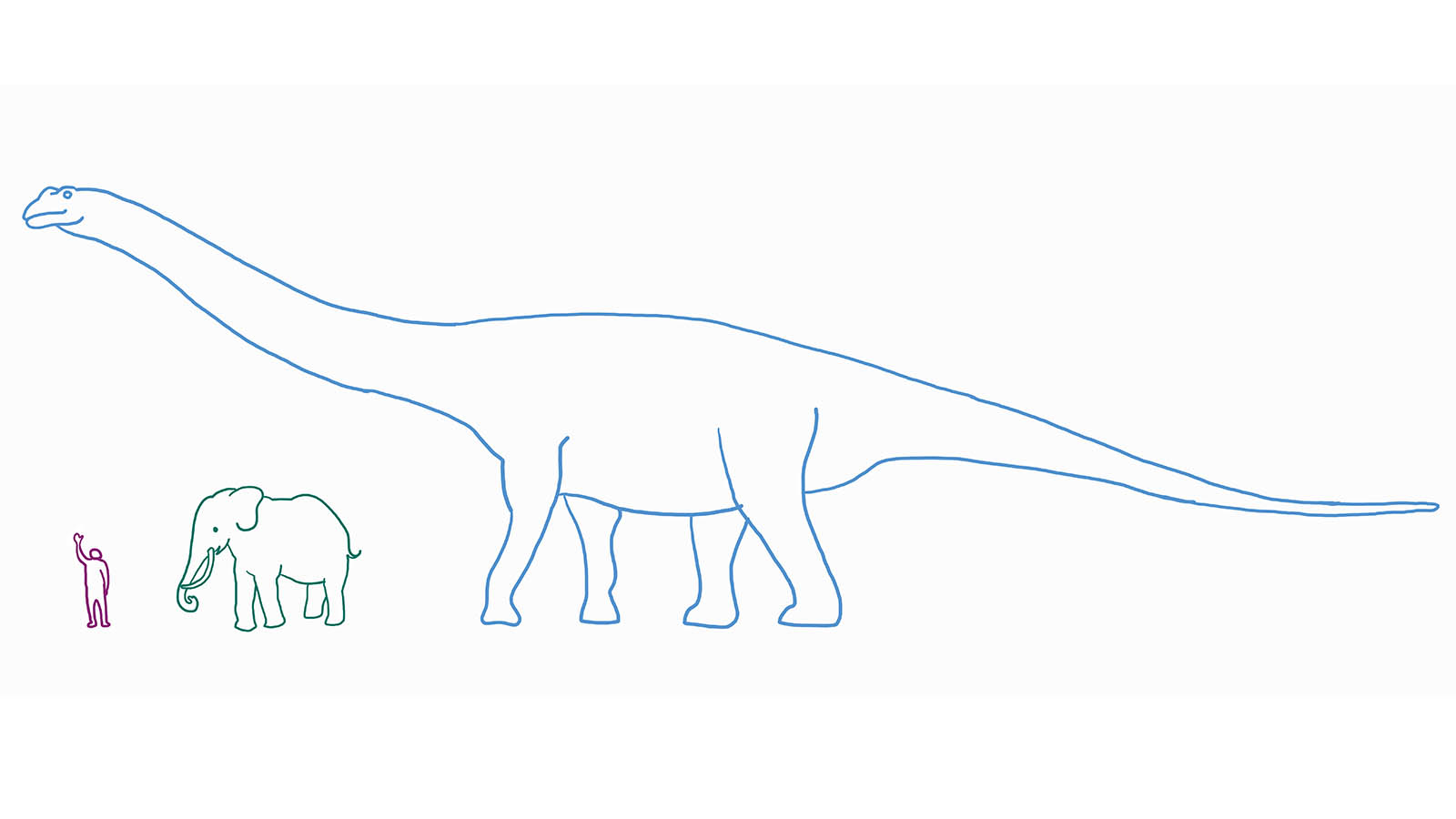
Levin discovered that the structural principle called Tensegrity – a combination of words Tension and Integrity – was not only applicable when building bridges – this was the structure of all living biological creatures.
The principle worked on all organisms, from single celled organisms, to quadrupeds and humans – and it actually explained how the dinosaurs could keep their neck up.
Dr Levin coined the term Biotensegrity and this profoundly changed the way we look at how the body is structured, and what keeps it together.
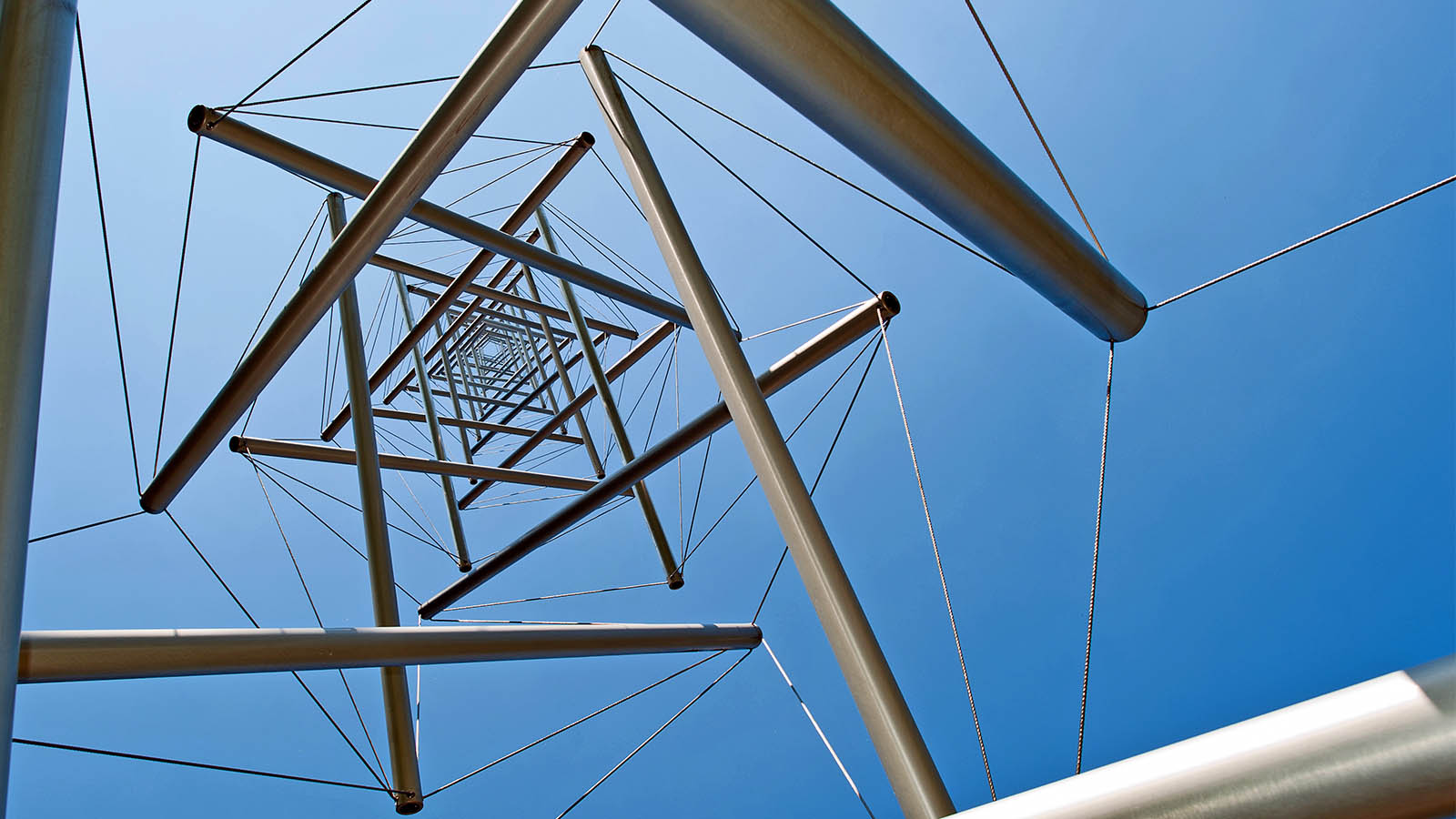
*The picture shows The Needle Tower – a fascinating piece of work that is held together and held up because of the tension and equilibrium, tensegrity, created between the different parts.*
Biotensegrity – how does it work?
In a biotensegrity system, compression members flow without touching each other in a sea of balanced tension members. When deformed by an outside force the strain is distributed over the whole area – and not only the local place being deformed.
In simple terms, it is a system where hard parts, like bones, and soft parts, like threads of collagen (connective tissue) work together to adsorb, distribute and release force and tension.
The skeleton is not, as previously thought, the hanger on which everything depends, for instance. The skeleton is the numb brace that keeps apart from the fascia layers and stabilizes the connective tissue structures, like Needle Tower in the picture above.
But the body is not as static as the tower in the picture. This is because the body wires, the Fascia, are not two, five or ten in number, but many many more. Some stretched, and some are lax, and they tense and relax at every movement.
You could describe it as the skeleton floating freely in the Fascia however, if the soft tissue is crooked, as a result the skeleton will be bent. If we work to restore and maintain delicate parts, muscles, and connective tissue, we help skeleton float freely inside complex structures.
- *By Axel Bohlin Founder & Editor, The Fascia Guide*
Dr. Stephen Levin at the Fascia Research Congress, Washington DC 2015
*Click the subtitle icon for a subtitled version*
In depth: Longer lecture on Biotensegrity
Tom Myers: What is tensegrity?
Tom Myers continues talking about Biotensegrity – a new way of thinking than what we are used to.
A strong and flexible structure
A demonstration of Tensegrity. See how the “ball” bounces and what happens when ONE thread is cut off.
A tensegrity leg
The film shows a biomechanical representation of how leg and foot load and relieve pressure and tension.
When looking at the Brachiosaurus he saw a lot of wires holding up the long neck.
- ArticleFascia: New research changes the way we look at pain
From Newton, to Einstein, to the new wildfire of Fascia Research. How do we understand things from a different perspective?
- ArticleFrequently Asked Questions about Fascia
90 questions and answers — written by Camilla Ranje Nordin
- ArticleInflammation in Fascia causes pain – new discoveries presented in Stockholm
Dr Heike Jäger, Professor Karl Arfors and innovator Hans Bohlin presented the latest research regarding Fascia, inflammation and Fascia treatment in Stockholm, May 2017.
- Ep. 01212. How seeing the living body changes everything we thought we knew – with Jean-Claude Guimberteau, MD
The episode was first published on the Swedish podcast Fasciaguiden on May 26, 2025. In this episode, we meet the French surgeon Jean-Claude Guimberteau, who has spent more than 3…
- Ep. 00303. What does Fascia do?
Understanding the living body is quite a complex thing – but there is a simple way to understand the function of the body by understanding Fascia. In simple terms, Fascia helps th…